Ekadet
My personal portfolio, GitHub projects, and blog posts.
The Post-Perfection Paradox: Art vs. Content
by
In the age of AI, “perfect” is now the baseline. If a machine can generate a flawless masterpiece in six seconds, then technical skill is no longer a luxury—it’s a commodity. This shift is forcing a brutal separation between content and art.
The Great Commodity
Content is a solution to a problem. It fills a slot in an algorithm, answers a search query, or provides a momentary dopamine hit. AI is the ultimate content creator because it excels at the “How”—the execution, the polish, and the speed. This creates a stark contrast with human art, which is often defined by its imperfections and unique character.
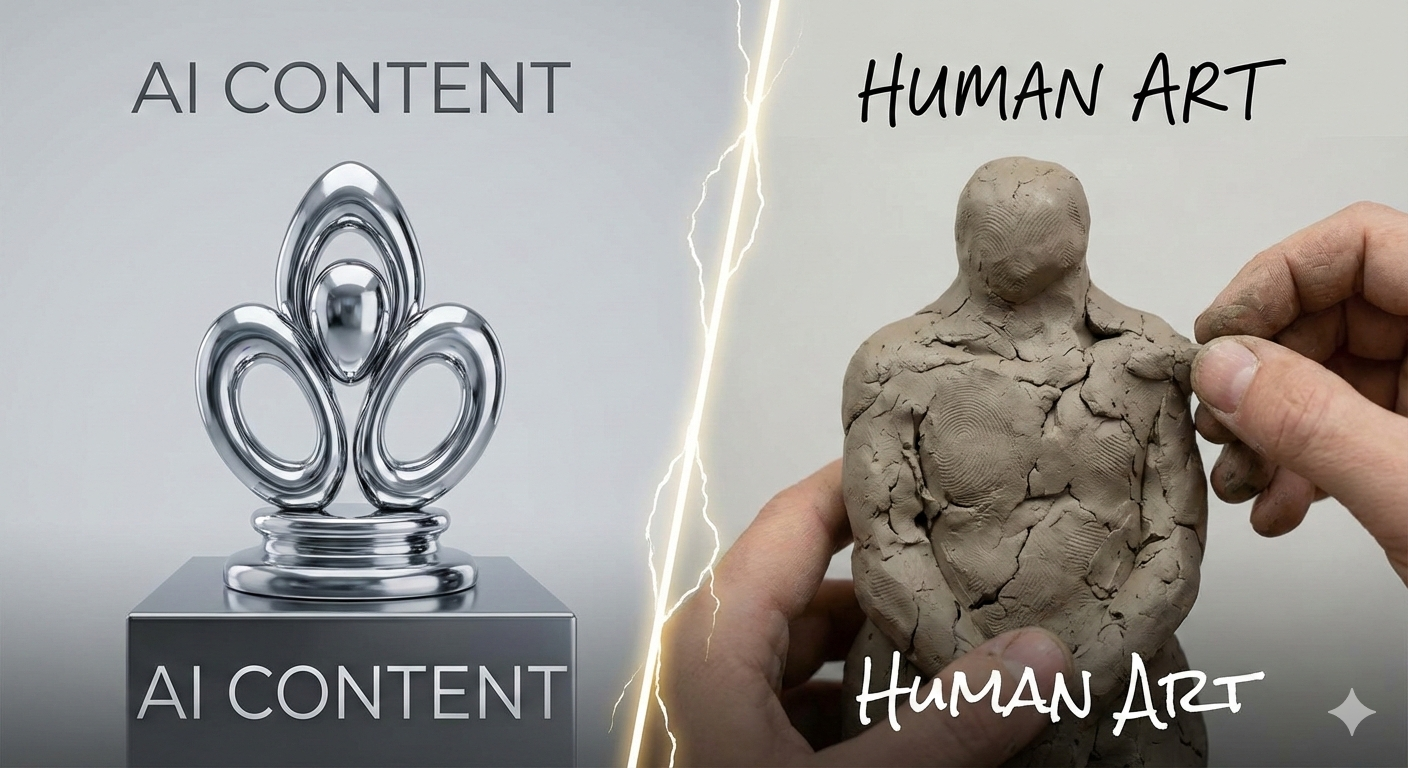
Art, however, is not a solution; it is a question. It isn’t about the “How,” but the “Why.”
The Value of Friction
We are entering an era of Aesthetic Inflation. When beautiful imagery is infinite, its value drops to zero.
What remains valuable is friction. In human art, the “mistakes,” the physical struggle with the medium, and the specific lived experience of the creator provide a texture that AI cannot simulate. We don’t just want the image; we want the ghost in the machine—the knowledge that a sentient being risked something to make it.
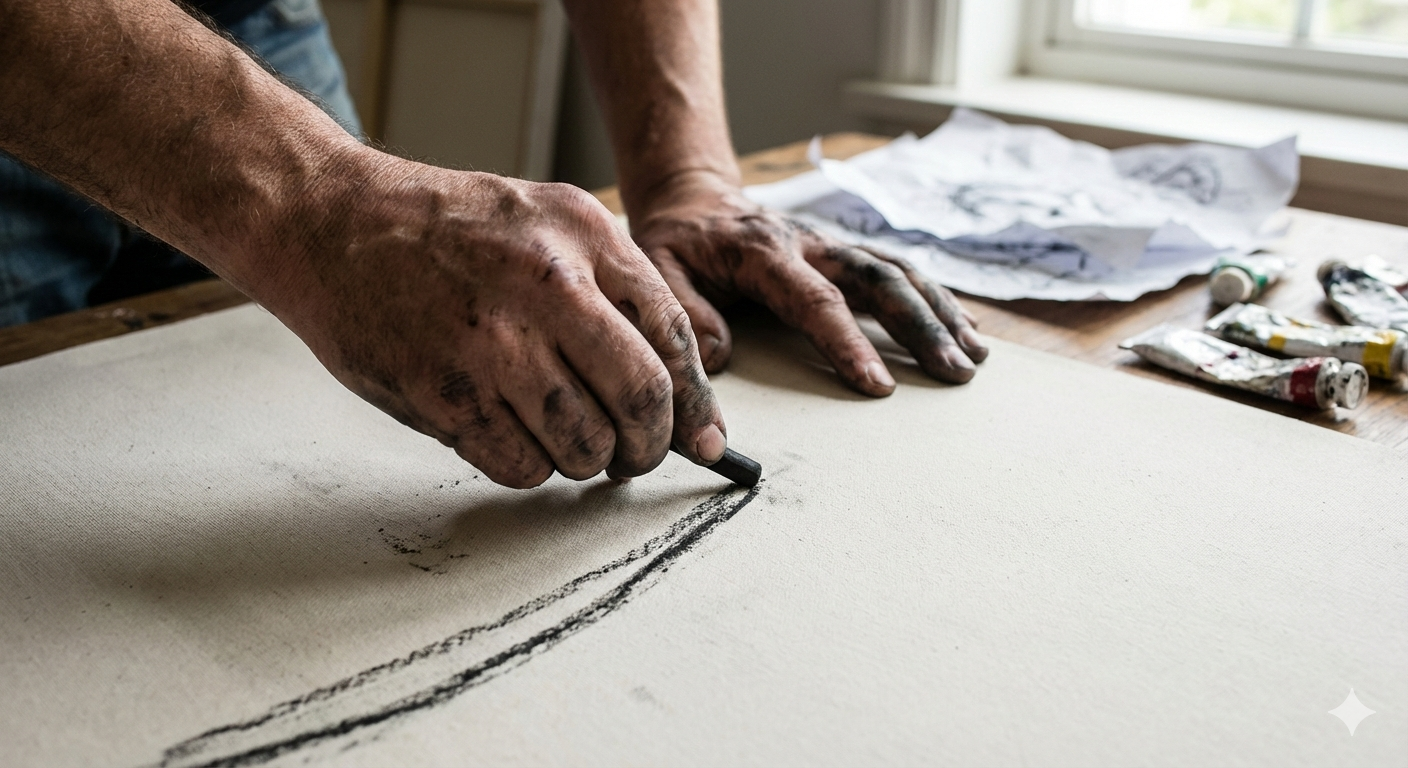
The Shift: We are moving from an era that prizes output to an era that prizes intent.
TLDR; The “Aha” Moment
Content is a destination (the result), but Art is the journey (the intent).
In a world where AI makes the destination “free” and instant, the only thing left with value is the journey. We will stop paying for what was made and start paying for who made it and why they bothered.
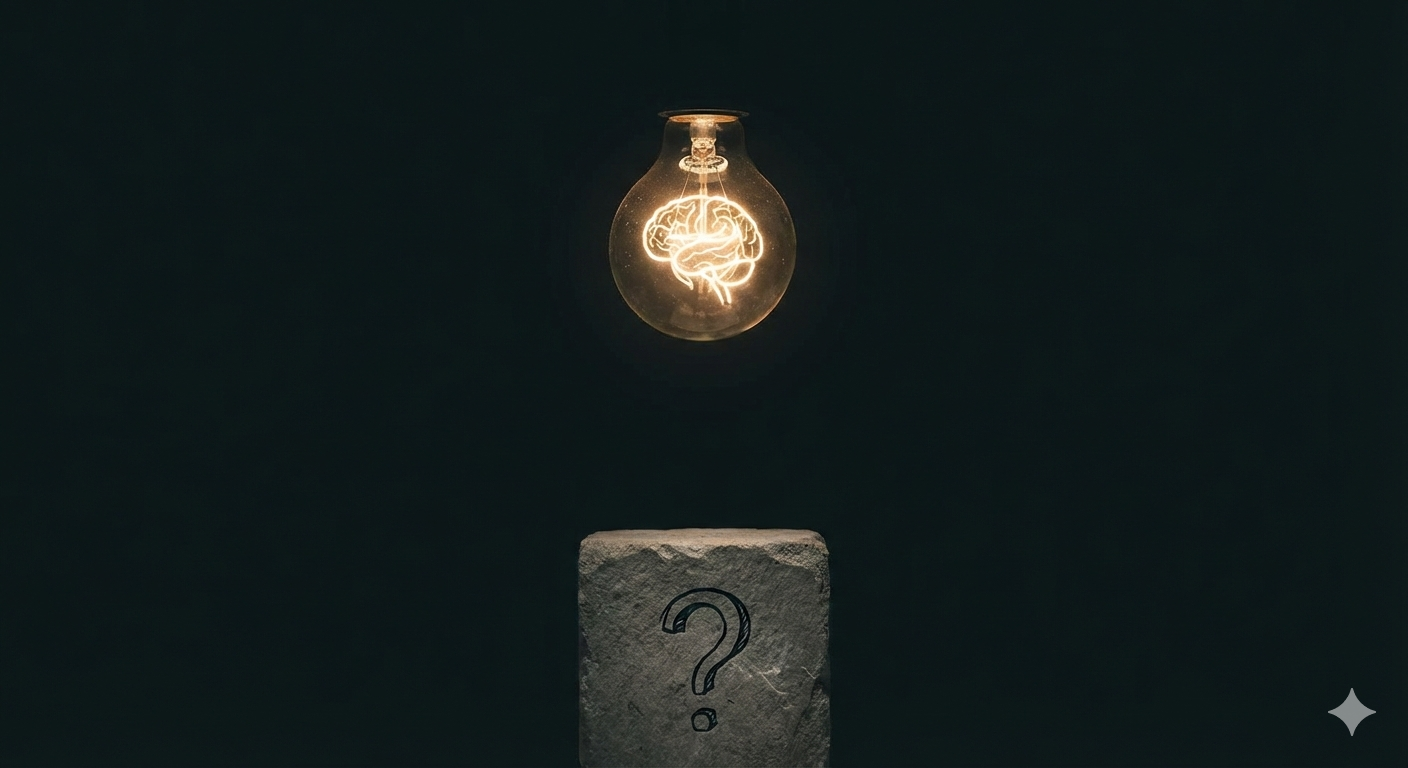
The future of the creator is to become a better curator of meaning, leaning into the inefficiency that makes us human.
References:
-
[The Differences Between AI and Human Creativity Flaneuse Mag Medium]1 - Why Human Art Still Outshines AI Creations in 2025 - MasterRV Designers
- Metaphor identification using large language models - arXiv